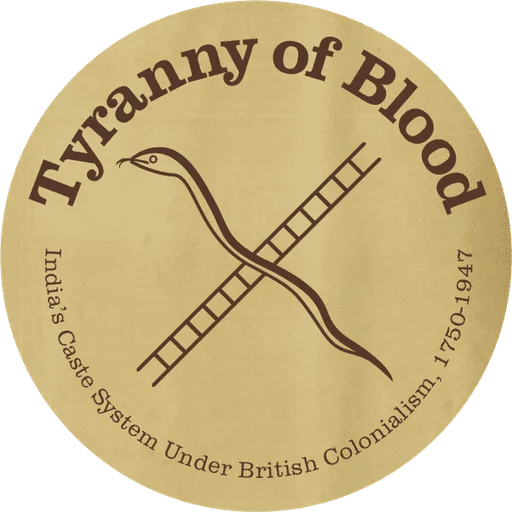
Tyranny of Blood
India's Caste System Under British Colonialism, 1750-1947
A board game by Akar Bharadvaj
4 4
120-300 minutes Unknown
Connections, Campaign / Battle Card Driven, Alliances, Semi-Cooperative Game, Negotiation, Action/Event
Economic, Negotiation, Educational, Wargame, Age of Reason, Religious
View onBoardGameGeek
Friends and Communities with Tyranny of Blood
Description
Get ready to delve into the complex and fascinating world of India's caste system under British colonialism with Tyranny of Blood, a game that's as thought-provoking as it is engaging. Designed by Akar Bharadvaj, this semi-cooperative game challenges 4 players to navigate the intricate social hierarchies and alliances that shaped the country from 1750 to 1947. As one of the four major caste groups - Brahmin, Kshatriya, Vaishya, and Shudra/Dalit - you'll need to balance your own interests with the need to cooperate and negotiate with other players, all while responding to the ever-present influence of British colonialism. The game is surprisingly accessible, with simple rules that can be learned quickly, but don't let that fool you - the gameplay is rich and complex, with multiple paths to victory and a deep web of connections and alliances to navigate. Each player has their own unique role and goals, and must find a way to earn victory points within the context of their distinct place in the social hierarchy. The British, meanwhile, are a non-player force that can either be resisted or collaborated with, adding an extra layer of strategy and tension to the game. With playtimes ranging from 120 to 300 minutes, you'll have plenty of time to immerse yourself in this gripping and thought-provoking game world. Tyranny of Blood is more than just a game, though - it's a powerful exploration of the social and economic inequalities that have shaped India's history, and continue to have an impact today. By examining the ways in which different groups with disparate bases of power interact and struggle with each other, the game raises important questions about how we can work towards a more equitable and just society. As the designer notes, the game is meant to condemn and understand the system of oppression, not to endorse or celebrate it - and by playing, you'll be inspired to think critically about the inequalities that still plague our world today, and to consider how you can make a difference.
Similar Board Games

Oath
1-6 / 3-5 Players
45-150 minutes
High
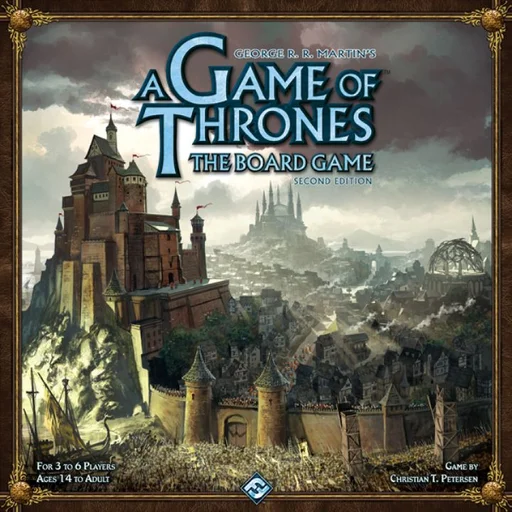
A Game of Thrones
The Board Game (Second Edition)
3-6 / 4-6 Players
120-240 minutes
High
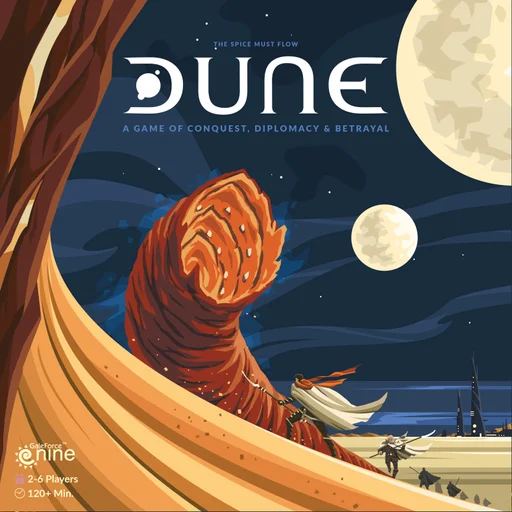
Dune
2-6 / 5-6 Players
120-180 minutes
High
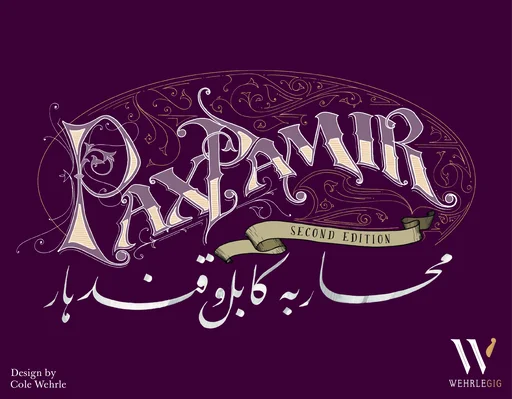
Pax Pamir
Second Edition
1-5 Players
45-120 minutes
High

Die Macher
3-5 / 4-5 Players
240 minutes
High
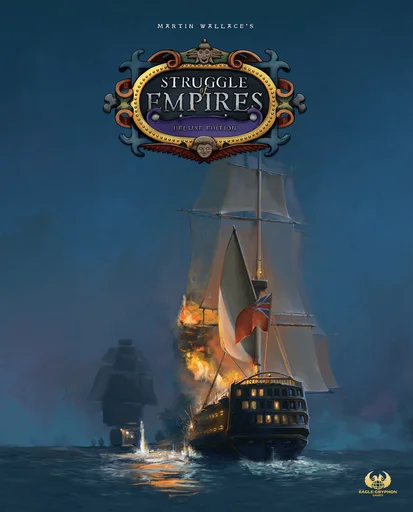
Struggle of Empires
2-7 / 4-7 Players
180-240 minutes
High

Rising Sun
3-5 Players
90-120 minutes
Medium
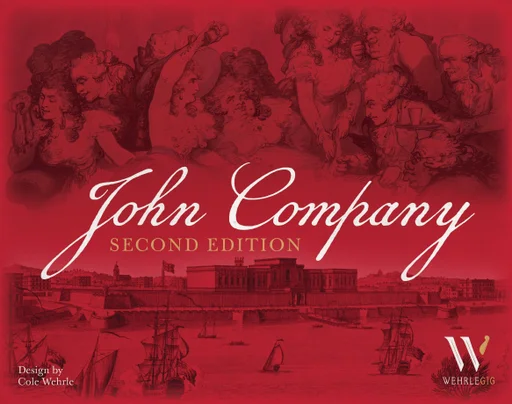
John Company
Second Edition
1-6 Players
90-240 minutes
High

Maria
2-3 / 3 Players
210 minutes
High
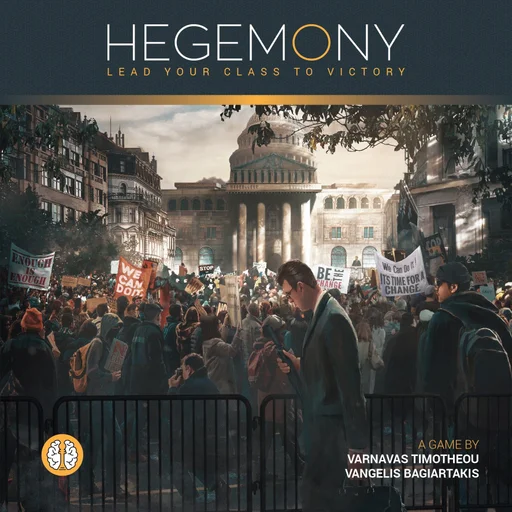
Hegemony
Lead Your Class to Victory
2-4 Players
90-180 minutes
High
